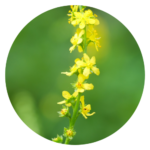
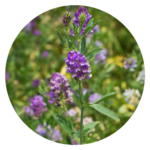
Brigham Tea | Ephedra spp.

Traditionally used for respiratory and urinary support, it acts as a mild stimulant, diuretic, and nutritive tonic. It helps relieve congestion, allergies, and fatigue, though it should be used with caution.

Brigham Tea (Ephedra) capsules and tea – energy and respiratory herb

Benefits & Uses

  • Respiratory Support: Helps open airways and ease congestion, colds, hay fever, and sinus irritation.

  • Urinary Aid: Acts as a diuretic for urinary tract health and to reduce fluid retention.

  • Immune Support: Provides minerals (such as calcium) and supports overall immunity.

  • Energy & Stamina: Serves as a mild natural stimulant and restorative tonic.

  • Bone & Joint Health: Mineral-rich infusion that supports bone strength.

Form & Dosage

  • Tea (Infusion): The most common preparation, made by boiling stems/twigs in water.

  • Tincture/Extract: Available in some herbal preparations; follow product directions or consult a practitioner.

  • Capsule/Powder: Less common, but sometimes available in supplement form; use as directed.

Parts Used

Stems and twigs

Precautions

  • Medication Interactions: May interfere with absorption of oral drugs; take at least 1 hour apart.

  • Cardiovascular Concerns: Though generally low in ephedrine, caution is advised for those with heart conditions.

  • Pregnancy & Breastfeeding: Insufficient safety data—avoid use.

  • Children: Safety not established—avoid unless under professional supervision.

  • Species Caution: Differentiate from Asian Ephedra species (E. sinica), which contain high ephedrine levels and carry serious risks (hypertension, stroke, heart attack).

For more detailed information about the different ways to take herbs, consider taking a course at the HomeGrown Herbalist Online School of Botanical Medicine.


Leave a Reply

Your email address will not be published. Required fields are marked *