Calendula | Calendula officinalis

Calendula, also known as pot marigold, is renowned for its wound-healing, antimicrobial, and anti-inflammatory properties. It soothes skin irritations, supports lymphatic drainage, and is used both topically and internally to aid tissue repair, fight infections, and regulate menstrual flow.
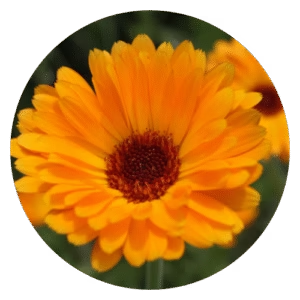
Calendula flowers for wound healing and skin care

Benefits & Uses

  • Wound Healing: Speeds recovery of cuts, burns, and skin tears, including postpartum tears.

  • Anti-inflammatory: Calms inflamed skin and mucous membranes.

  • Antimicrobial/Antiseptic: Helps clear infections and prevent bacterial or fungal growth.

  • Lymphatic Support: Reduces swollen lymph glands and supports immune defenses.

  • Skin Health: Treats dermatitis, rashes, eczema, and minor irritations.

  • Women’s Health: Traditionally used to stimulate delayed menses and support postpartum healing.

Form & Dosage

  • Infusion/Tea (Internal): Flowers steeped in hot water for immune and menstrual support.

  • Tincture/Extract: Concentrated liquid form; follow label or practitioner guidance.

  • Topical (Salve, Oil, Cream): Applied directly to wounds, rashes, or inflamed skin.

  • Poultice: Crushed fresh flowers applied to minor injuries or inflamed tissues.

Parts Used

Flowers

Precautions

  • Pregnancy: Avoid internal use as calendula may stimulate uterine contractions.

  • Allergies: Possible cross-reaction in individuals allergic to ragweed, daisies, or marigolds.

  • Internal Use: Use caution with strong doses; best guided by an experienced herbalist.

  • Topical Safety: Generally safe for skin but perform a patch test for sensitivity.

For more detailed information about the different ways to take herbs, consider taking a course at the HomeGrown Herbalist Online School of Botanical Medicine.


Leave a Reply

Your email address will not be published. Required fields are marked *