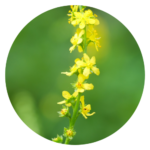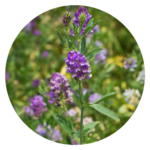
Comfrey | Symphytum officinale

Traditionally known as a healing herb, Comfrey supports tissue repair, soothes inflammation, and accelerates wound healing. Its allantoin content stimulates cell regeneration, making it valuable for bruises, sprains, ulcers, and mucous membrane irritation. However, due to toxic pyrrolizidine alkaloids (PAs), internal use is discouraged.
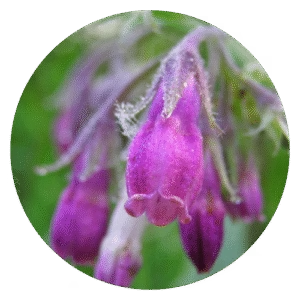
Comfrey root for tissue repair and wound healing

Benefits & Uses

  • Wound & Injury Care: Speeds healing of bruises, sprains, and minor injuries.

  • Postpartum Healing: Applied externally for vaginal tears and tissue repair.

  • Anti-inflammatory: Soothes swollen or irritated tissues.

  • Analgesic: Provides mild pain relief when applied topically.

  • Mucous Membrane Relief: Traditionally used to calm ulcers and inflammation (external or short-term internal use historically).

Form & Dosage

  • Poultice/Compress: Fresh or dried leaves applied directly to wounds or injuries.

  • Ointment/Salve: Topical applications for skin healing and inflammation.

  • Infused Oil: External massage oil for sore muscles or joints.

  • Cold Infusion: Cold infusion would be better due to its high mucilage content. 

Parts Used

Root and leaves.

Precautions

  • Internal Use: Avoid internal use—pyrrolizidine alkaloids can cause serious liver damage.

  • Broken Skin: Avoid applying directly to deep or open wounds; may encourage surface healing before deeper tissues recover.

  • Pregnancy & Lactation: Not recommended.

  • Long-Term Safety: Limit use to external, short-term applications only.

For more detailed information about the different ways to take herbs, consider taking a course at the HomeGrown Herbalist Online School of Botanical Medicine.


Leave a Reply

Your email address will not be published. Required fields are marked *