Olive Leaf | Olea europaea

Rich in antioxidants, Olive Leaf lowers blood pressure, supports heart health, and fights infections. It protects against oxidative stress, reduces cholesterol, and improves circulation.

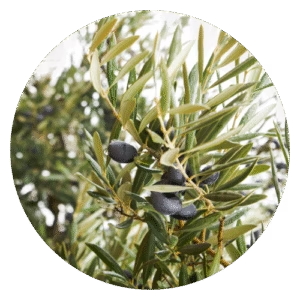
Olive leaves on branch

Benefits & Uses

  • Cardiovascular support: Lowers blood pressure and cholesterol, improves circulation.

  • Antioxidant: Protects against oxidative stress and cellular damage.

  • Immune support: Strengthens defenses against infections, including viruses (retrovirus, herpes), bacteria, and fungi.

  • Blood sugar regulation: Enhances insulin sensitivity and stimulates pancreatic insulin production, lowering glucose levels.

  • Cholesterol balance: Reduces serum cholesterol and supports cardiovascular health.

  • Anti-inflammatory: Helps reduce fever, inflammation, and symptoms of chronic fatigue or fibromyalgia.

Form & Dosage

  • Tea/Infusion: 1–2 tsp dried leaves per cup, steep 10–15 minutes, up to 2–3 times daily.

  • Tincture: 2–4 mL, up to 3 times daily.

  • Capsules/Extracts: 500–1000 mg standardized extract daily.

Parts Used

Leaves

Precautions

  • Blood pressure & blood sugar: May lower blood pressure and blood sugar significantly; monitor if taking medications for hypertension or diabetes.

  • Medication interactions: May interact with antihypertensive, antidiabetic, and anticoagulant medications; consult a healthcare provider before use.

  • Pregnancy & breastfeeding: Limited safety data; avoid unless under professional supervision.

  • Digestive effects: May occasionally cause stomach upset or mild headaches.

  • Surgery: Discontinue at least 2 weeks prior to surgery due to potential blood pressure and blood sugar effects.

For more detailed information about the different ways to take herbs, consider taking a course at the HomeGrown Herbalist Online School of Botanical Medicine.


Leave a Reply

Your email address will not be published. Required fields are marked *