Rehmannia | Rehmannia glutinosa

Rehmannia is a deeply restorative herb with broad traditional and modern uses. It is valued for immune modulation, adrenal support, kidney protection, and hormone regulation. Research suggests it may benefit autoimmune conditions, bone health, reproductive balance, and neuroprotection. Traditionally, the root is most often used, though studies show leaves and flowers also contain high levels of active constituents.
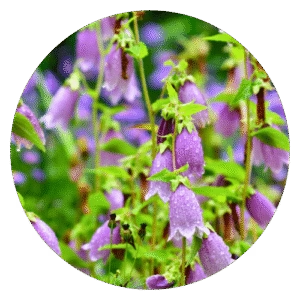
Rehmannia root used in traditional Chinese medicine

Benefits & Uses

  • Immune & Allergy Relief: Reduces histamine release and inflammation; helpful in autoimmune conditions such as rheumatoid arthritis, lupus, and fibromyalgia.

  • Adrenal Support: Enhances adrenal cortex activity and helps restore balance during stress or adrenal fatigue.

  • Anti-inflammatory: Contains aucubin and other compounds with strong anti-inflammatory effects; eases dermatitis, arthritis, and general inflammation.

  • Kidney Protective: Belongs to an elite group of herbs that not only increase urinary output but actively heal and restore kidney tissue.

  • Blood & Anemia Support: Enhances red blood cell production and is particularly useful during chemotherapy-related anemia.

  • Bone Health: Supports bone density and fracture healing, especially in post-menopausal women.

  • Hormonal Balance: Assists in regulating female reproductive hormones, easing menopausal symptoms, and supporting irregular cycles. Also helps male hormone balance, libido, and sexual vitality.

  • Neuroprotective: Offers protective effects in stroke, brain injury, dementia, and Alzheimer’s cases.

  • General Recovery: Reduces malaise, supports recovery from chronic illness, and improves energy during debility.

Form & Dosage

  • Infusion (tea): 1 tsp dried root, steeped 2–3 times daily.

  • Tincture: 40–50% ethanol, 1:5 ratio; adult dose 10–30 drops, 2–3 times daily.

  • Powder: 1–3 g daily, mixed into warm water, juice, or smoothies.

  • Capsules: 500–1000 mg standardized powder, 1–2 times daily.

Parts Used

Root

Precautions

  • Pregnancy & Breastfeeding: Avoid use; safety not established.

  • Diabetes: May lower blood sugar — avoid if on insulin or other hypoglycemic medications.

  • Blood Thinners: Avoid concurrent use due to potential additive effects.

  • Liver & GI Conditions: Not recommended in liver disease or gastrointestinal disorders.

  • Surgery: Discontinue at least 1 week before surgery (may interfere with blood clotting and medications).

For more detailed information about the different ways to take herbs, consider taking a course at the HomeGrown Herbalist Online School of Botanical Medicine.


Leave a Reply

Your email address will not be published. Required fields are marked *