Quinine Tree | Cinchona officinalis

Cinchona, the famous source of quinine, has long been used to treat malaria, fevers, and chills. As a bitter tonic, it stimulates digestion and appetite, while also providing relief for muscle cramps, flu-like symptoms, and headaches. Historically valued for recurrent fevers, it remains important in medicine though pharmaceutical quinine is now used under strict supervision.
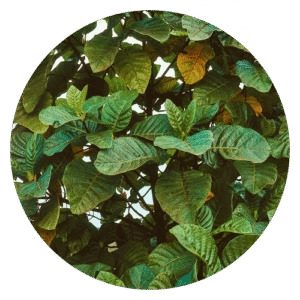
Cinchona (Cinchona officinalis) tree bark, traditional source of quinine used for malaria, fever reduction, and digestive support.

Benefits & Uses

  • Antimalarial & febrifuge: Traditionally used to treat malaria, chills, and recurrent fevers.

  • Bitter tonic: Stimulates digestion, appetite, and supports overall digestive health.

  • Muscle support: Helps relieve muscle cramps and leg cramps.

  • Analgesic & antipyretic: Provides mild pain and fever relief for headaches, flu-like symptoms, and body aches.

Form & Dosage

  • Bark powder or decoction: 1–2 g daily (short-term use only).

  • Tincture (standardized): 1–2 ml, 2–3 times daily.

  • Pharmaceutical quinine sulfate: Used under medical supervision only for malaria treatment.

Parts Used

Bark

Precautions

  • Not for self-treatment of malaria: Always requires professional medical care.

  • Toxicity risk: High doses may cause cinchonism (nausea, tinnitus, headache, vision changes).

  • Avoid use: During pregnancy, breastfeeding, or with heart conditions.

  • Drug interactions: May interact with anticoagulants, cardiac medications, and other prescriptions.

For more detailed information about the different ways to take herbs, consider taking a course at the HomeGrown Herbalist Online School of Botanical Medicine.


Leave a Reply

Your email address will not be published. Required fields are marked *