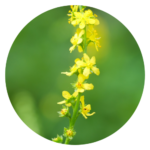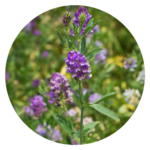
Blackberry | Rubus villosus

Blackberry leaves and root bark are rich in tannins, making them effective astringents. Traditionally used for diarrhea, sore throats, and intestinal bleeding, they also support wound healing and oral health. The berries provide additional nutritive value and are considered a tonic in various traditional systems of medicine.
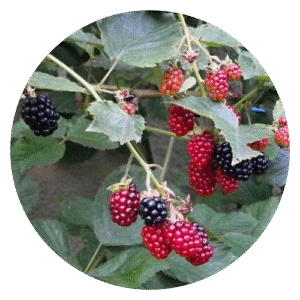
Blackberry root bark herbal tea – digestion and astringent support

Benefits & Uses

  • Digestive Health: Treats diarrhea, dysentery, and intestinal bleeding with strong astringent action.

  • Respiratory Support: Used for sore throats, mouth ulcers, and gum inflammation.

  • Oral Health: Leaves brewed into teas for mouth ailments, canker sores, and bleeding gums.

  • Tonic & Nutrient Support: Berries provide vitamins and minerals; traditionally used as a Yin tonic in Chinese medicine.

  • Wound Healing: Applied topically for cuts, ulcers, and minor skin issues.

Form & Dosage

  • Tea/Infusion: 1–2 tsp dried leaves steeped in hot water, up to 3x daily.

  • Decoction: Root bark simmered (short-term use for acute diarrhea).

  • Tincture: Prepared extracts for digestive or oral support.

  • Fresh Berries: Consumed as food or medicine for nutritive and tonic effects.

Parts Used

Leaves, root bark, and berries. 

Precautions

  • Pregnancy & Breastfeeding: Safe in food amounts; medicinal use should be supervised.

  • Overuse: High tannin content may cause nausea or stomach irritation.

  • Children: Mild teas may be used cautiously for diarrhea, but professional guidance recommended.

For more detailed information about the different ways to take herbs, consider taking a course at the HomeGrown Herbalist Online School of Botanical Medicine.


Leave a Reply

Your email address will not be published. Required fields are marked *