Purslane | Portulaca oleracea

Purslane is a nutrient-rich succulent valued for both food and medicine. Its cooling, mucilaginous properties soothe inflammation, while its high content of omega-3 fatty acids makes it a unique plant for cardiovascular and metabolic health.

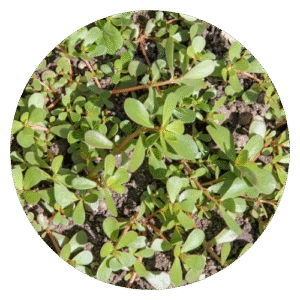
Purslane (Portulaca oleracea) with fleshy green leaves and small yellow flowers, a nutritious wild plant rich in omega-3 fatty acids and antioxidants.

Benefits & Uses

  • Topical soothing: Applied as a poultice for burns, stings, and venomous bites; its cooling flesh draws out heat and swelling.

  • Antimicrobial & anti-inflammatory: Traditionally used for bladder infections and skin irritation.

  • Nutritional support: Excellent plant source of Omega-3s, vitamins, and antioxidants for cardiovascular and immune health.

  • Culinary tonic: Eaten fresh or blended into smoothies; valued as a cooling, hydrating, and mineral-rich green.

Form & Dosage

  • Fresh leaves: Added to smoothies, salads, or ground into paste for burns.

  • Powder: 1–3 g daily, mixed with water, juice, or smoothies.

  • Capsules: Standardized powder, 500–1000 mg daily.

  • Infusion/tea: Fresh or dried leaves steeped in hot water.

  • Topical use: Fresh mashed leaves or paste applied directly to skin.

Parts Used

Fresh aerial parts (leaves, stems, and succulent tissue)

Precautions

  • Pregnancy & Breastfeeding: Limited data; use in food amounts is considered safe, but avoid concentrated medicinal doses.

  • Oxalate content: High amounts may aggravate kidney stones in susceptible individuals.

  • Children: Safe as food; concentrated preparations should be used cautiously.

For more detailed information about the different ways to take herbs, consider taking a course at the HomeGrown Herbalist Online School of Botanical Medicine.


Leave a Reply

Your email address will not be published. Required fields are marked *