Ginger | Zingiber officinale

A warming spice, Ginger improves circulation, eases nausea, and supports digestion. It reduces inflammation, lowers cholesterol, and helps with colds, motion sickness, and poor circulation.

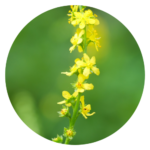
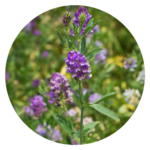
Ginger (Zingiber officinale) fresh and dried herb for natural remedies

Benefits & Uses

  • Nausea & Motion Sickness: Widely used to relieve nausea, seasickness, and morning sickness.

  • Digestive Aid: Carminative properties ease indigestion, bloating, and cramping.

  • Circulatory Health: Improves blood flow, lowers cholesterol, and supports heart health.

  • Anti-inflammatory: Helps reduce inflammation and pain in arthritis and joint conditions.

  • Respiratory Support: Traditionally used for colds, coughs, and congestion.

  • Antioxidant: Provides cellular protection against oxidative stress.

Form & Dosage

  • Fresh or Dried Root (Tea/Infusion): Commonly steeped for colds, digestion, and nausea.

  • Powder: Used in cooking or as a supplement for digestive and circulatory support.

  • Capsules/Tablets: Standardized extracts for nausea, inflammation, and cholesterol management.

  • Tincture/Extract: Concentrated liquid for digestive and anti-inflammatory support.

Typical dosage: 1–2 g powdered root daily, or 2–4 mL tincture up to 3 times daily.

Parts Used

Rhizome (root).

Precautions

  • Bleeding Disorders: May increase bleeding risk—avoid with anticoagulant or antiplatelet drugs.

  • High Doses: Can cause heartburn, stomach upset, or mouth irritation in sensitive individuals.

  • Pregnancy: Widely used for morning sickness, but best taken under professional guidance.

  • Surgery: Discontinue before surgery due to clotting effects.

For more detailed information about the different ways to take herbs, consider taking a course at the HomeGrown Herbalist Online School of Botanical Medicine.


Leave a Reply

Your email address will not be published. Required fields are marked *