Milkweed | Asclepias speciosa

Milkweed root is a traditional remedy with diuretic, expectorant, and antispasmodic actions. It has been used to support kidney health, ease gallbladder attacks, and promote sweating during fevers.
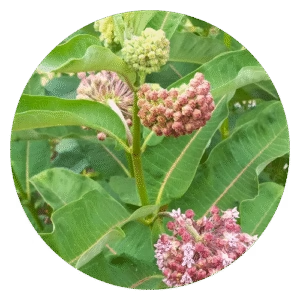
Milkweed (Asclepias spp.) with clusters of pink-orange flowers, a native wildflower important for pollinators and traditionally used for respiratory and digestive support.

Benefits & Uses

  • Diuretic support: Aids in resolving kidney weakness and mild edema.

  • Gallbladder health: Traditionally combined with marshmallow to help relieve gallbladder attacks.

  • Fever relief: Promotes sweating, helping the body break fevers.

  • Respiratory aid: Functions as an expectorant, loosening mucus and easing coughs.

  • Antispasmodic action: Helps relax muscle spasms and tension.

  • Topical use: Fresh root applied externally has been used for warts.

Form & Dosage

  • Decoction/tea: ¼ to ½ teaspoon of root tincture, or 1 rounded tsp of powdered root, 2–3 times daily.

  • Traditional external use: Fresh plant juice applied directly to warts.

Parts Used

Root

Precautions

  • Pregnancy & Breastfeeding: Avoid use; safety not established.

  • Heart Conditions: Do not use in cases of heart disease.

  • Overuse: May cause nausea or toxicity; avoid large doses.

  • Toxic Look-alike: Be cautious not to confuse with dogbane (a toxic plant with similar appearance).

  • Drug Interactions: Do not combine with pharmaceuticals without supervision.

For more detailed information about the different ways to take herbs, consider taking a course at the HomeGrown Herbalist Online School of Botanical Medicine.


Leave a Reply

Your email address will not be published. Required fields are marked *