Nettle | Urtica dioica

Nutrient-rich and anti-inflammatory, Nettle supports allergies, reduces arthritis symptoms, and improves urinary health. It strengthens hair, enriches the blood, and helps with kidney stones.
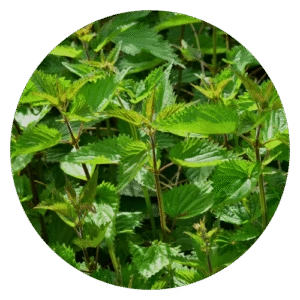
Stinging Nettle plant with jagged leaves

Benefits & Uses

  • Nutrient-rich tonic: High in iron and minerals, helpful for anemia.

  • Anti-allergic: Reduces hay fever and allergy symptoms by stabilizing histamine response.

  • Anti-inflammatory: Eases arthritis and joint discomfort.

  • Urinary health: Supports BPH, reduces urinary frequency, and helps prevent kidney stones.

  • General vitality: Traditional spring tonic, used to strengthen the body after winter.

Form & Dosage

  • Infusion/Tea: 1–2 tsp dried leaves per cup, steeped 10–15 minutes, up to 3 times daily.

  • Tincture: 2–4 mL, 3 times daily.

  • Capsules: 300–600 mg, up to 3 times daily.

  • Food use: Young nettle leaves cooked like spinach or added to soups.

Parts Used

Leaves, Roots, Seeds

Precautions

  • Skin reactions: Fresh nettle may cause stinging, redness, or rash upon contact.

  • Pregnancy & breastfeeding: Avoid root extracts internally; leaf teas in moderation are generally considered safe.

  • Kidney concerns: Use cautiously in people with kidney disease due to diuretic effects.

  • Medication interactions: May interact with blood thinners, diuretics, antihypertensives, or diabetes medications; consult a healthcare provider.

  • Allergies: Rare allergic reactions may occur in sensitive individuals.

For more detailed information about the different ways to take herbs, consider taking a course at the HomeGrown Herbalist Online School of Botanical Medicine.


Leave a Reply

Your email address will not be published. Required fields are marked *