Oregano | Origanum vulgare

Oregano is a classic culinary and medicinal herb with strong antimicrobial and anti-inflammatory properties. Traditionally used to fight infections and support respiratory health, it also aids digestion and liver function while easing spasms and fevers.
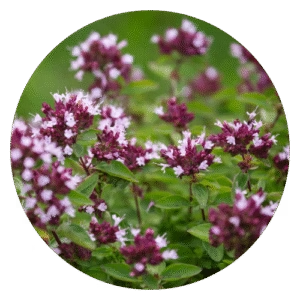
Oregano (Origanum vulgare) with small purple flowers and green leaves, a culinary and medicinal herb valued for its antimicrobial and digestive benefits.

Benefits & Uses

  • Respiratory health: Acts as an expectorant, easing coughs, congestion, and asthma-related spasms.

  • Immune support: Potent antimicrobial and antifungal activity against bacteria, viruses, and infections.

  • Digestive relief: Helpful for stomach aches, bloating, colic, gas, and indigestion.

  • Liver protection: Contains hepatoprotective compounds that support detoxification.

  • Women’s health: Can ease mild menstrual cramping, water retention, and associated pain.

  • Fever reduction: Diaphoretic effects promote sweating and help break fevers.

Form & Dosage

  • Tincture: ¼–1 tsp, 2–3 times daily.

  • Tea/infusion: Fresh or dried leaves steeped in hot water.

  • Capsules/extracts: Standardized oregano oil or powder available for antimicrobial support.

  • Topical use: Diluted essential oil applied externally for fungal or skin infections (never undiluted).

Parts Used

Leaves and essential oil. 

Precautions

  • Pregnancy & Breastfeeding: Not safe in medicinal doses. Avoid essential oil internally.

  • Drug Interactions: May interfere with medications — avoid combining without medical supervision.

  • Overuse: Strong essential oil may irritate skin or mucous membranes if not diluted.

For more detailed information about the different ways to take herbs, consider taking a course at the HomeGrown Herbalist Online School of Botanical Medicine.


Leave a Reply

Your email address will not be published. Required fields are marked *