
Parsley | Petroselinum crispum

A nutrient-rich diuretic, Parsley reduces bloating, supports kidney function, and aids digestion. It also freshens breath and provides antioxidant and anti-inflammatory benefits, making it useful for cardiovascular and urinary health.
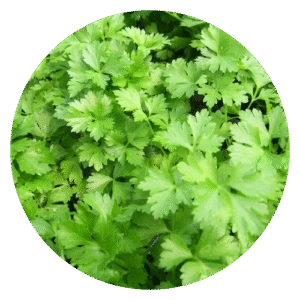
Fresh Parsley leaves

Benefits & Uses

  • Kidney & urinary health: Acts as a diuretic to reduce fluid retention, bloating, and support detoxification.

  • Digestive aid: Eases gas, bloating, and colic; fresh leaves also freshen breath.

  • Cardiovascular support: Improves circulation, lowers blood pressure, and provides antioxidant protection.

  • Anti-inflammatory & antioxidant: Reduces inflammation and oxidative stress throughout the body.

  • Nutritional support: Rich in vitamins A, C, and K to strengthen immunity and overall wellness.

Form & Dosage

  • Fresh Leaves: Common in culinary use; eaten raw or infused as tea.

  • Tea/Infusion: Prepared from fresh or dried leaves for urinary and digestive benefits.

  • Capsules/Tablets: Extracts available for therapeutic use.

  • Juice: Fresh parsley juice used sparingly for detox and kidney support.

Typical dosage: 2–4 g dried herb daily or equivalent in tea/infusion.

Parts Used

Leaves and root (root is less common but also used in traditional remedies)

Precautions

  • Pregnancy & lactation: Avoid large medicinal doses due to possible uterine stimulation; culinary use is safe.

  • Medication interactions: May interact with anticoagulants or diuretics.

  • Kidney conditions: Use cautiously in severe kidney disease.

  • Allergies: Possible reactions in sensitive individuals.

For more detailed information about the different ways to take herbs, consider taking a course at the HomeGrown Herbalist Online School of Botanical Medicine.


Leave a Reply

Your email address will not be published. Required fields are marked *