Pine| Pinus spp.

Rich in minerals and antioxidants, Pine Pollen supports hormone balance, boosts libido, and improves energy. It is traditionally used for infertility, prostate health, and overall vitality.
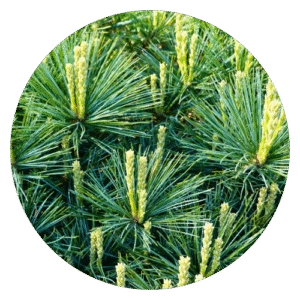
Pine pollen used for vitality and hormone balance

Benefits & Uses

  • Hormone support: Acts as a natural phytoandrogen, helping balance testosterone and other hormones.

  • Reproductive health: Enhances fertility and libido, supporting both men and women.

  • Prostate health: Traditionally used for prostate enlargement (BPH) and prostate-related conditions.

  • Energy & vitality: Boosts stamina, reduces fatigue, and promotes overall wellbeing.

  • Antioxidant protection: Provides vitamins, minerals, and amino acids to combat oxidative stress.

Form & Dosage

  • Needles (tea): Taken as an infusion or decoction for coughs, colds, and bronchitis. Expectorant, cough suppressant, and anti-inflammatory. Rich in antioxidants such as resveratrol, which may inhibit viral replication and cytokine storms.

  • Pitch (sap): Traditionally chewed in pea- to currant-sized amounts as a strong expectorant. Historically used for bladder infections; applied for antibacterial, anti-inflammatory, and astringent effects.

  • Pollen: A nutritive tonic high in antioxidants, vitamins, minerals, and amino acids. Acts as a phytoandrogen, supporting testosterone levels, fertility, and libido. Studied for prostate and breast cancer support. Consumed fresh, tinctured, or encapsulated.

  • Inner Bark: Prepared as a decoction or broth, used internally for respiratory support and digestion, or applied topically for wounds and joint pain. Traditionally consumed as a nutrient-rich broth.

Parts Used

  • Needles

  • Pitch (sap)

  • Pollen

  • Inner bark

Precautions

  • Pregnancy & Breastfeeding: Avoid; pine compounds may stimulate the uterus.

  • Allergies: Those allergic to pine or tree pollen should avoid; reactions may include hives, itching, or breathing difficulty.

  • Kidneys: Long-term use may irritate kidneys due to proanthocyanidins.

  • Digestive Sensitivity: Large doses may cause nausea, diarrhea, or irritation from high terpene content or excess vitamin C.

  • Harvesting Note: Needles and branches do not regenerate once cut — harvest carefully to avoid harming the tree.

For more detailed information about the different ways to take herbs, consider taking a course at the HomeGrown Herbalist Online School of Botanical Medicine.


Leave a Reply

Your email address will not be published. Required fields are marked *