Rosemary | Rosmarinus officinalis

A stimulating herb, Rosemary improves circulation, supports memory, and reduces inflammation. It aids digestion, lowers cholesterol, and provides antioxidant and cardiovascular benefits.
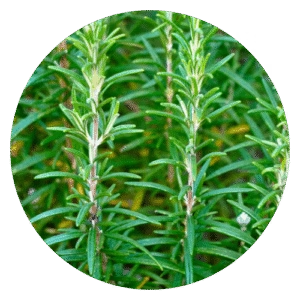
Rosemary sprigs used as a circulatory tonic and antioxidant herb

Benefits & Uses

  • Circulatory support: Improves blood flow, lowers blood pressure, and strengthens cardiovascular health.

  • Cholesterol regulation: Helps lower cholesterol and platelet aggregation for heart health.
  • Memory & cognition: Traditionally valued as a mental stimulant that supports focus and memory.

  • Digestive aid: Acts as a carminative, reducing gas, bloating, and sluggish digestion.

  • Anti-inflammatory: Reduces oxidative stress and inflammation throughout the body.

  • Headaches & Migraines: Traditionally used as a headache remedy.

  • Antimicrobial & Wound Care: Historically carried by soldiers in World War II as an antibiotic herb for wound treatment.

  • Fever Support: Functions as a diaphoretic, helping break fevers.

  • Insect Repellent: Crushed leaves or sprigs rubbed on skin or burned discourage mosquitoes and pests.

Form & Dosage

  • Tea/Infusion: Fresh or dried leaves steeped for circulatory and digestive support.

  • Culinary Use: Commonly used in cooking to enhance flavor while supporting health.

  • Tincture/Extract: Concentrated form used for circulatory and cognitive benefits; follow product or practitioner guidance.

  • Capsules/Tablets: Standardized extracts available for antioxidant and anti-inflammatory support.

Typical dosage: 2–4 g dried leaf daily, tea or capsules; tincture per practitioner direction.

Parts Used

Leaves, flowering tops.

Precautions

  • Pregnancy: Avoid high medicinal doses; culinary use is considered safe.

  • Blood pressure & heart conditions: May interact with antihypertensive or anticoagulant medications.

  • Seizure disorders: High doses may trigger seizures in sensitive individuals.

  • Allergies: May cause skin or respiratory irritation in sensitive persons.

For more detailed information about the different ways to take herbs, consider taking a course at the HomeGrown Herbalist Online School of Botanical Medicine.


Leave a Reply

Your email address will not be published. Required fields are marked *