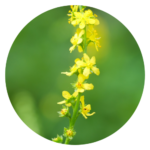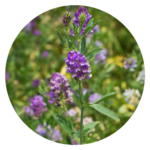
Sage | Salvia officinalis

A versatile herb, Sage reduces hot flashes, supports memory, and aids digestion. It strengthens mucous membranes, eases sore throats, and provides antimicrobial and anti-inflammatory benefits.
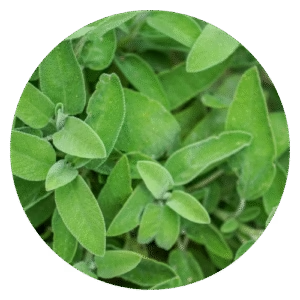
Sage leaves with memory-enhancing and astringent properties

Benefits & Uses

  • Cognitive support: Improves memory, focus, and mild cognitive decline; traditionally valued in Alzheimer’s and dementia care.

  • Menopausal relief: Reduces hot flashes, night sweats, and excessive perspiration.

  • Digestive aid: Strengthens mucous membranes and soothes inflammation in the digestive tract.

  • Sore throat & oral health: Used as a gargle or rinse for sore throats, oral ulcers, and mouth sores due to its astringent properties.

  • Antimicrobial & anti-inflammatory: Fights infections and reduces systemic or localized inflammation.

Form & Dosage

  • Tea/Infusion: Leaves steeped for menopausal support, digestive aid, or sore throats.

  • Tincture/Extract: Concentrated form for cognitive and menopausal benefits; follow practitioner guidance.

  • Culinary Use: Widely used in cooking; provides gentle medicinal support.

  • Gargle/Rinse: Prepared infusion for oral ulcers and sore throats.

Typical dosage: 1–3 g dried leaf daily in tea, or 2–4 mL tincture up to 3x daily.

Parts Used

Leaves

Precautions

  • Pregnancy & lactation: Avoid high medicinal doses; sage may reduce milk production.

  • Excess use: Thujone in sage oil can be toxic in large amounts; culinary use is safe.

  • Medication interactions: May interact with sedatives, anticonvulsants, or blood pressure medications.

  • Allergies: Possible irritation in sensitive individuals.

For more detailed information about the different ways to take herbs, consider taking a course at the HomeGrown Herbalist Online School of Botanical Medicine.


Leave a Reply

Your email address will not be published. Required fields are marked *