Slippery Elm | Ulmus rubra

A soothing demulcent, Slippery Elm coats and protects mucous membranes, easing sore throats, coughs, and digestive irritation. It supports ulcers, diarrhea, and overall mucosal healing while providing gentle nutrition.
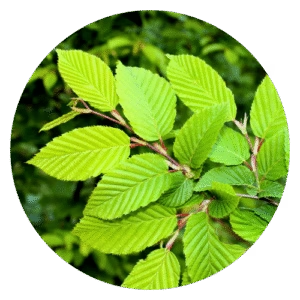
Slippery Elm (Ulmus rubra) bark and inner bark traditionally used to soothe mucous membranes and aid digestion.

Benefits & Uses

  • Digestive Soother: Coats the stomach lining and intestines, easing gastritis, ulcers, colitis, and diarrhea.

  • Respiratory Relief: Helps calm sore throats, coughs, and irritated bronchial passages.

  • Mucosal Healing: Supports healing of inflamed mucous membranes throughout the body.

  • Nutritive: Provides gentle nourishment, often used as a porridge or gruel for convalescents.

  • Anti-inflammatory: Reduces irritation in the gastrointestinal and urinary tracts.

Form & Dosage

  • Powder: Mixed with water or milk to create a soothing mucilage.

  • Lozenges: Used to relieve sore throats and coughs.

  • Tea/Infusion: Inner bark steeped for digestive and mucosal support.

  • Gruel/Porridge: Nutritive preparation for convalescents and weakened digestion.

Typical dosage: 1–2 teaspoons of powdered inner bark in water, taken up to 3 times daily.

Parts Used

Inner bark.

Precautions

  • Sustainability: Slippery Elm is endangered from overharvesting and Dutch Elm disease; use cultivated or ethically sourced bark.

  • Pregnancy & Lactation: Traditionally considered safe, but best used with practitioner guidance.

  • Medication Interactions: May reduce absorption of certain drugs if taken at the same time; separate doses by at least 2 hours.

  • Allergies: Rare, but those allergic to elm species should avoid.

For more detailed information about the different ways to take herbs, consider taking a course at the HomeGrown Herbalist Online School of Botanical Medicine.


Leave a Reply

Your email address will not be published. Required fields are marked *